GREENWOOD
CORVETTES
INDUCTED:
2026
GREENWOOD CORVETTES
By H.A. Branham
It made sense that once the Chevrolet Corvette appeared, its evolvement into “America’s sports car” would proceed rapidly. With legendary General Motors designer Harley J. Earl -- best buddy of IMSA co-founder Bill France Sr. -- on point, the revolutionary ride rolled off the line in 1953. Racing beckoned, creating a new goal: making America’s sports car into “America’s rocket ship for everyman.”
That said, female racing pioneer Betty Skelton lit the fuse quicker -- if not faster -- than anyone in the early days, zipping down the Atlantic Ocean shoreline in France’s Speed Trials that served as leadup to the annual beach and road course event. Where were you in ’56? That when this Corvette thing first started to get crazy. Chevy had brought in a Russian engineer, Zora Arkus-Duntov, to make a car that looked fast actually go fast. It got crazier. Vettes entered four NASCAR Cup Series races in the 1950s. The next decade, the car straight-lined into NHRA drag racing and set numerous records.
Corvettes found their home in sports car competition by barging through the front door, winning the GT5.0 class at the 24 Hours of Le Mans in 1960. It was legit; the car finished eighth overall. This was an international breakthrough because in this case you were talking about not only looks, not only speed -- but results over the longest of endurance racing hauls.
Just ahead: IMSA.
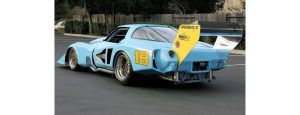
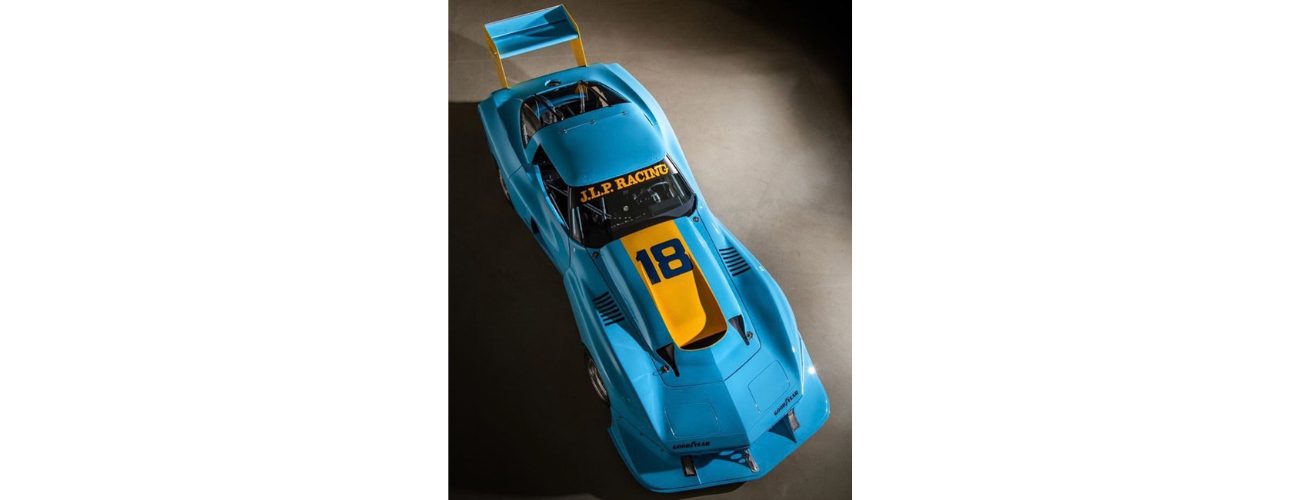
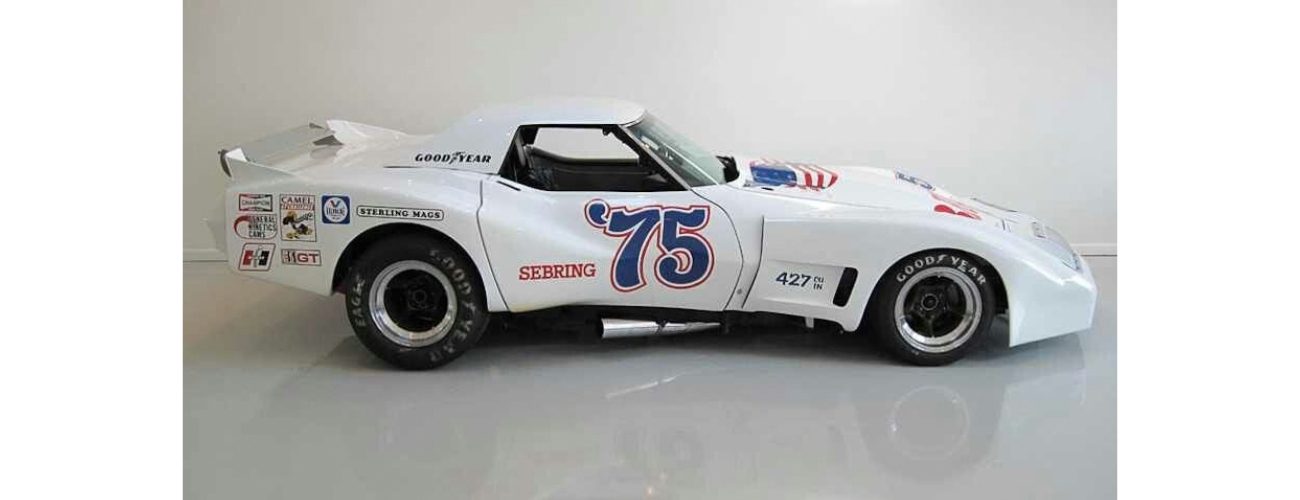
The International Motor Sports Association was a new proposition in the early 1970s, in need of cars that were not only rear end-kickers but also eye-catchers as IMSA tried to gain a foothold in the landscape of big-time auto racing. Enter the big-block V-8 Chevrolet Corvettes built by drivers and brothers John (who died in 2015) and Burt Greenwood that were fan favorites from the outset -- and in 2026 have joined the IMSA Hall of Fame.
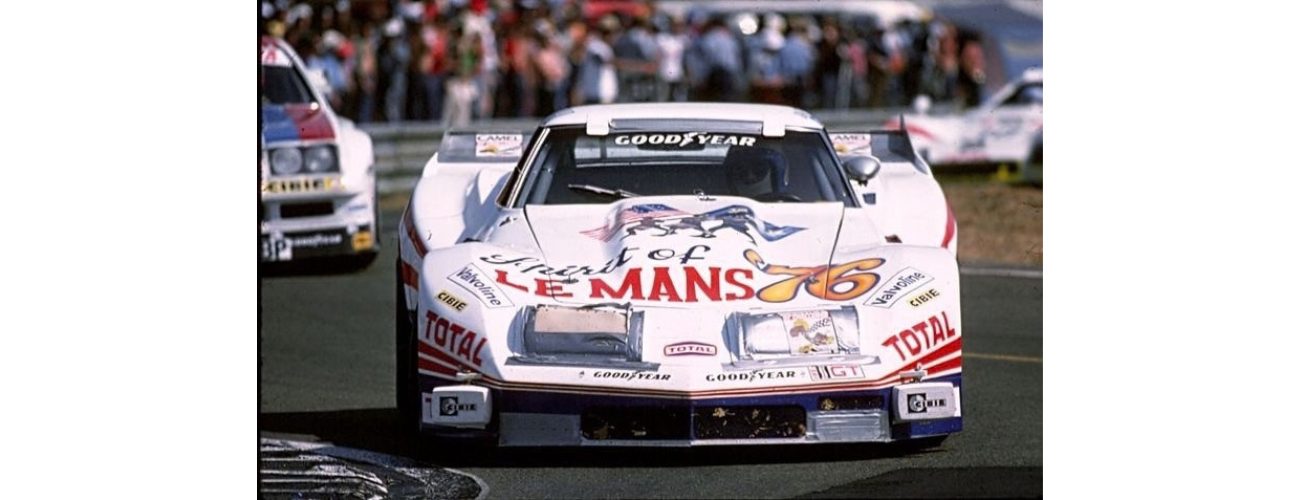
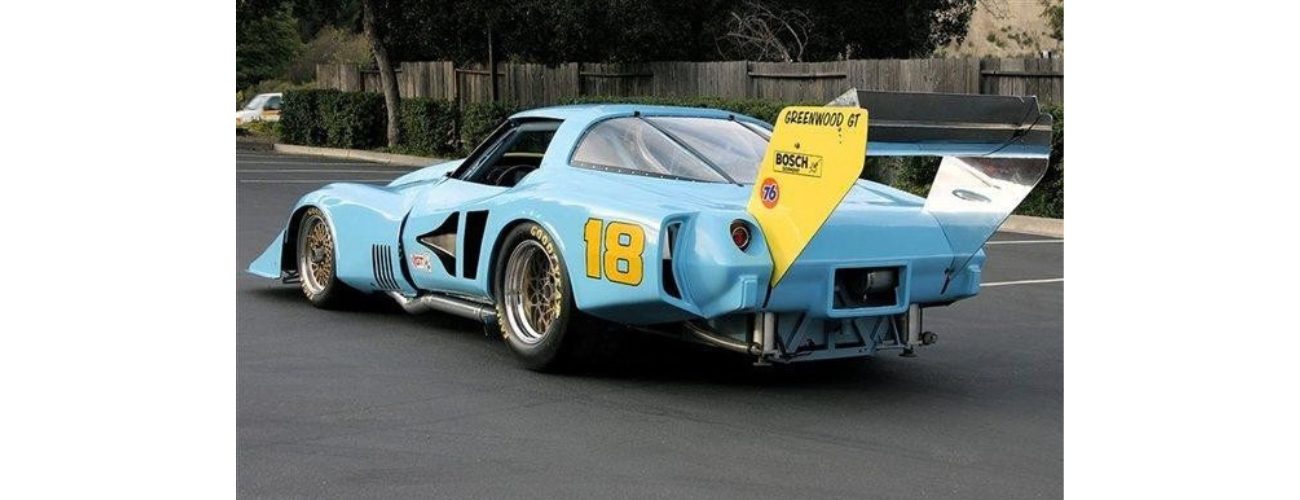
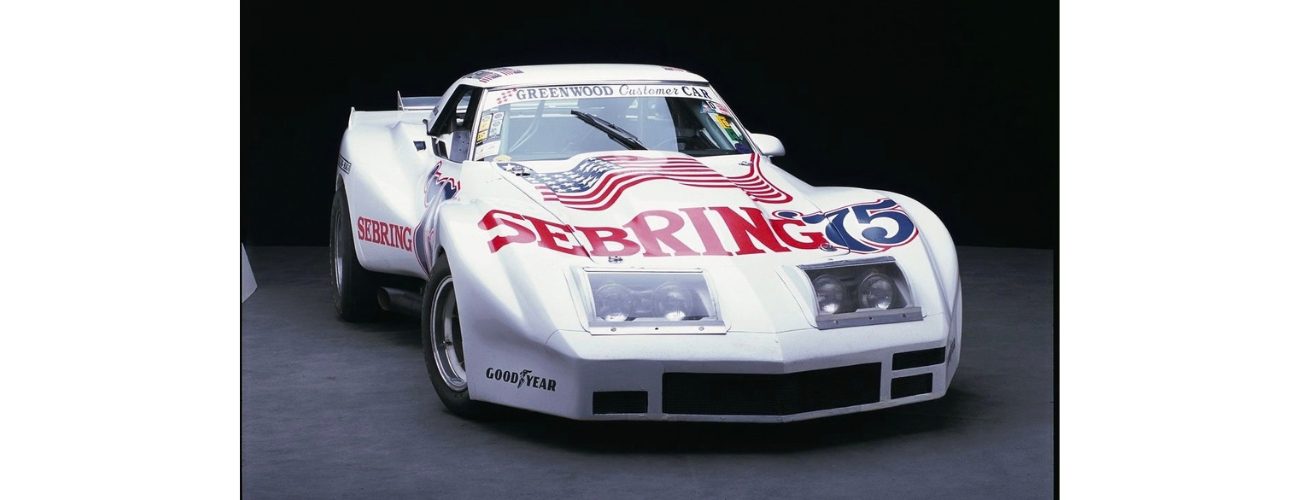
The cars were wide yet somehow sleek. Maybe it was an illusion caused by the elaborate “Stars and Stripes” liveries and aerodynamics dominated by fender flares that led to the cars being called “Batmobiles.”
What they were, at their core, were typical Vettes: they looked fast with the engine off.
They were fast. Zora was proud, as he had been brought in to consult. If that’s not an unreal backstory, what is? IMSA official Mark Raffauf calls the Greenwood Corvettes from the mid-1970s “probably the most lethal race car ever in IMSA.”
Consecutive victories at the old IMSA Finale in 1974-75 at Daytona International Speedway might look like the highlight, on paper. Or the 1971 GT win at Sebring with comedian Dick Smothers a co-driver, two years before IMSA sanction, when the Stars and Stripes paint job got its first real showcase. The real highlight was a perpetual deal -- within the scope of a race weekend -- that entailed off the truck, into the garage, onto the pits, rolling off on the track -- and hopefully, to the podium. The experience was visual and visceral with the Greenwood cars. The International Motor Sports Association had a made-in-America attraction.
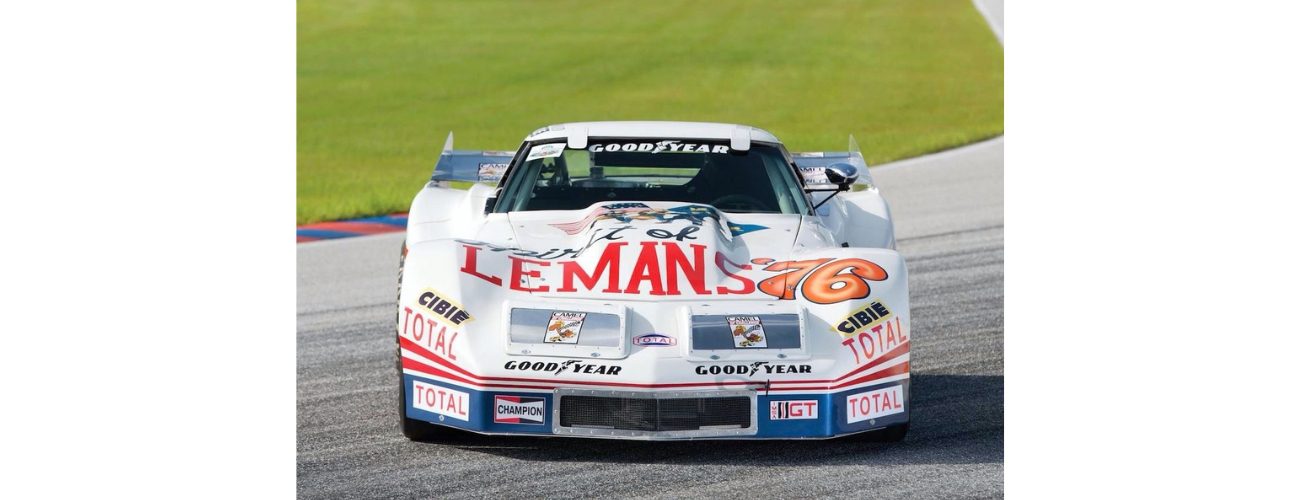
IMSA’s top two cars went to Le Mans in 1976 – a Greenwood Corvette named “The Spirit of Le Mans” and Mike Keyser’s Chevrolet Monza. Both cars ran in the top five early. Greenwood was clocked at 215.6 mph on the expansive, treacherous Mulsanne Straight. In ’76, an IMSA rule change allowed full tube-frame chassis; Greenwood worked with renowned designer Bob Riley -- also an IMSA HOF inductee -- to build what were called “SuperVettes.”
“We just kind of felt like we were representing us,” Burt Greenwood said in 2015. “It was an American car.”
From Vettefacts.com: “John Greenwood was a rare double threat — a genuinely quick driver who was arguably even better as a constructor. Through the 1970s he turned the third-generation Corvette into a wide-body IMSA weapon that became an American racing icon… a loud, flared star-spangled heart of the Corvette privateer racing era.”
Greenwood-built Corvettes continued to race in IMSA into the early 1980s fielded by various customer teams, bridging the era of the early ‘Vettes and the factory-supported Corvette Racing program that rolls along in bright-yellow glory to this day.
Photo Gallery

More Galleries
GREENWOOD CORVETTES