RILEY
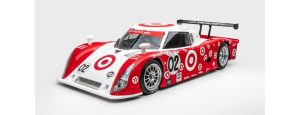
DAYTONA PROTOTYPE
INDUCTED:
2026
RILEY DAYTONA PROTOTYPE
By H.A. Branham
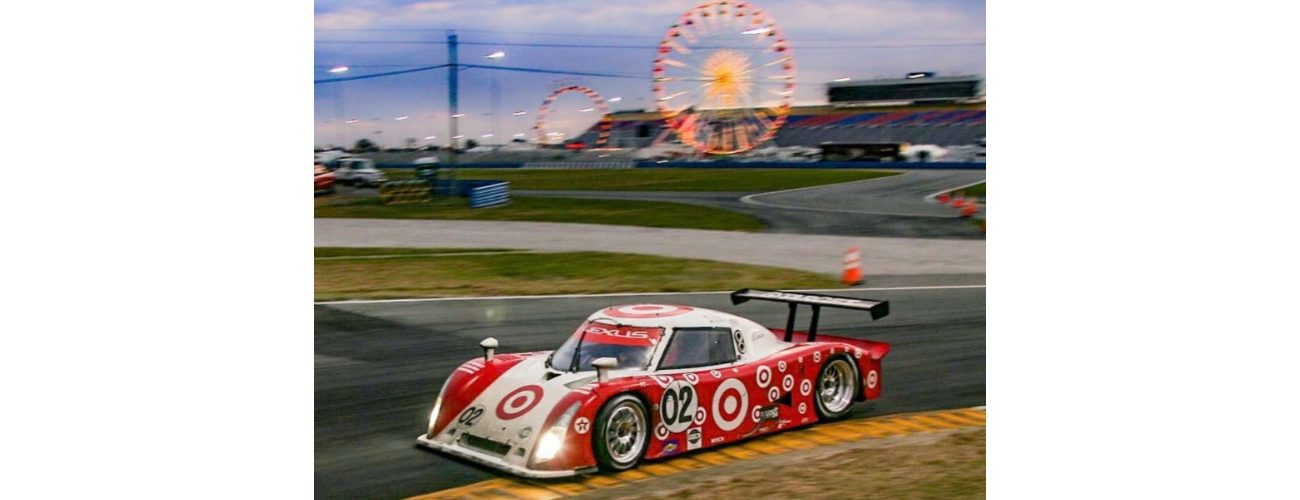
Right car for the right time -- that’s a quick take regarding the Riley Daytona Prototype that started 1,335 races over a 12-year span, involving two sports car organizations, GRAND-AM Road Racing and the IMSA WeatherTech SportsCar Championship.
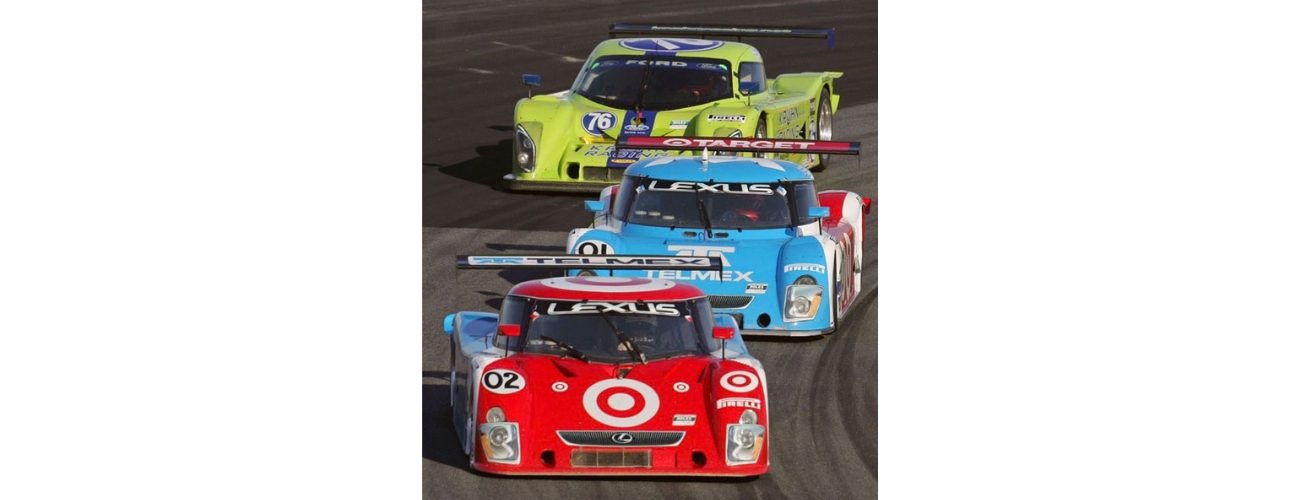
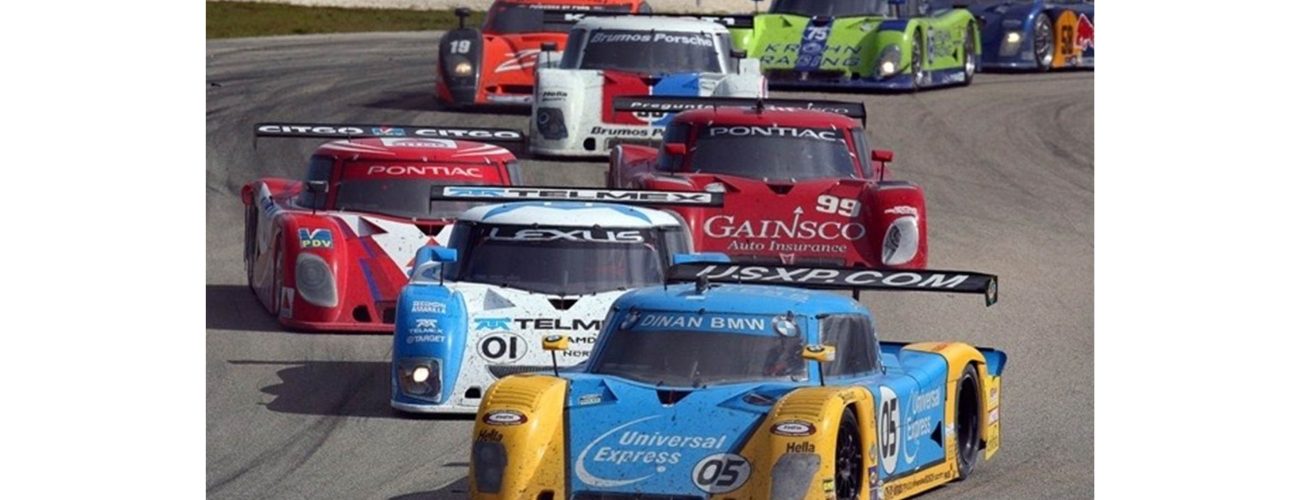
On the GRAND-AM side, the DPs did their part by giving the top-tier Rolex Series a marquee machine and a much-needed race-weekend identity, plus a viable competitor for fan interest versus the more exotic American Le Mans Series machines.
And if you wanted to field a DP, you wanted it fitted with a Riley chassis. Don’t take our word for it; see below.
- Riley DPs won 98 GRAND AM Rolex Series races in 209 starts from 2004-13.
- The car collected 290 class podium finishes.
- The Riley chassis were powered by engines from BMW, Ford, Chevrolet, Lexus, Pontiac and Honda, winning with every engine except Honda.
- Riley won 10 consecutive GRAND-AM manufacturer championships.
- A Riley DP won GRAND-AM’s -- and now IMSA’s -- premier race, the Rolex 24, nine consecutive times (2005 to 2013).
The Riley Daytona Prototype, which raced from 2004-16 -- it hung for a brief while, post-merger -- is a most deserving 2026 addition to the IMSA Hall of Fame. Fitting, too. The car’s chief builder, the late Bob Riley, was a 2024 inductee.
Riley DPs defined GRAND-AM, in part because of the drivers who drove them, an illustrious list headed by the former IMSA GTO star Scott Pruett, who drove car owner Chip Ganassi’s DPs to Rolex Series championships five times.
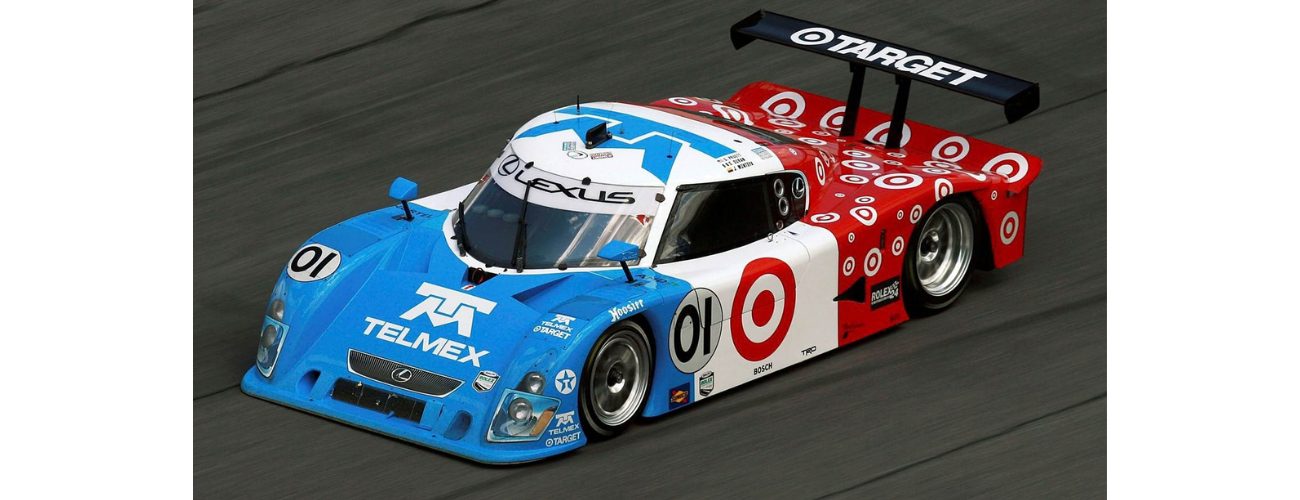
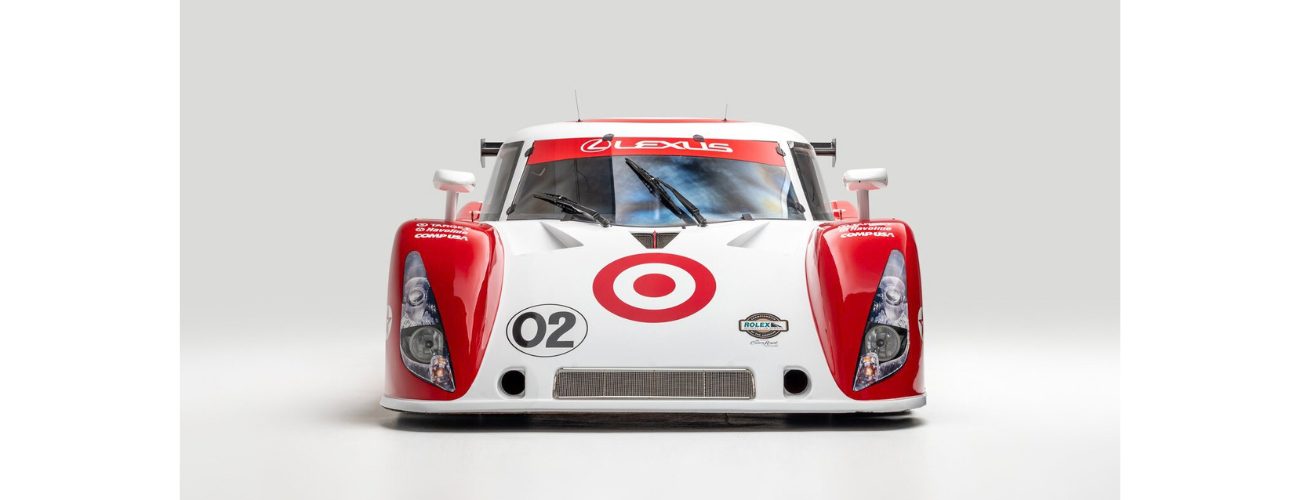
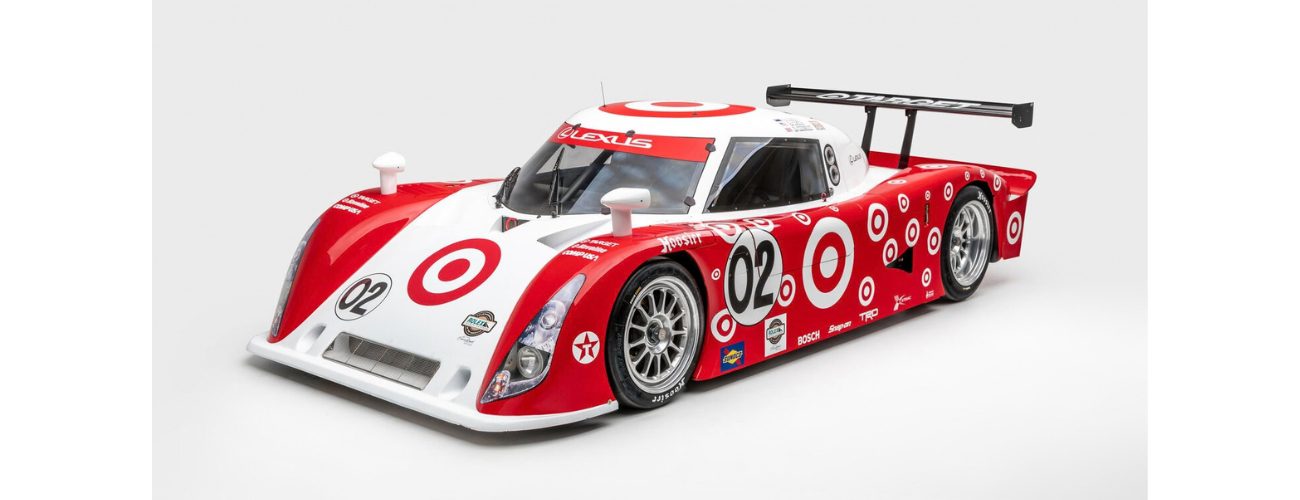
Now, let’s deal with the sports car elephant in our theoretical paddock that looms over the Daytona Prototype legacy. Granted, they weren’t the most aesthetically pleasing.
But prototype purists totally missed the point. Or ignored it.
The DP was designed to keep high-end sports car racing afloat while operating independent of foreign rules influence and skyrocketing budgets. Reduced technology and cost-cutting -- That flew headlong into the face of traditional sports car racing, right? -- were two main tenets.
Riley and Mark Scott founded Riley & Scott Cars Inc. in 1980, with initial constructs for Trans-Am. The company evolved into Riley Technologies in 2001, started by Bob and his son Bill. When GRAND-AM and the American Le Mans Series formed, went their own ways and two completely different approaches cranked up, the Riley DP was a hand-in-glove situation. GRAND-AM Founder Jim France, determined to keep his sports car ideology afloat, wore the glove. In case you didn’t know. The Daytona Prototype was his project, separate from anything related to NASCAR or motorcycles. Kind of like Springsteen’s “Nebraska” album: a hard left turn and above the fray.
From IMSA Senior Director of Race Operations Mark Raffauf: “Working with constructors like Riley and Scott was a pleasure because they understood what the [overall] goal was for the Daytona Prototype -- to build a longer-lasting, simple car that was fast and provided good car-to-car racing. They built a car that met the mark perfectly.”
“Cars have been a passion since I was a child,” Bob Riley, who died in October 2024 at the age of 93, told the Wall Street Journal in a 2016 interview. “The faster the better. Fortunately, I also had a talent for art, so car design was a natural combination for me. “
Added son Bill Riley, who now runs the business: “We built a lot of those cars -- 50 of ‘em to be exact … My father was in charge of the design, and I think he hit the marks right off the bat.”
Journalist Jonathan Ingram co-wrote the acclaimed book, “The Art of Race Car Design” with Bob Riley. Ingram acknowledges the criticism of the DP’s looks, but, like Raffauf, references the bottom-line aspect, especially when it comes to the Riley DP.
“Well, none of them looked like a Ferrari,” Ingram said, astutely pointing out that most naysaying always focused on the large greenhouse that was needed to accommodate a full roll cage. (A safety feature.) “The Riley DP greenhouse had straight sides -- up and down -- which held the air better at yaw. The car was more stable, with less lift in corners. That was one of those aero things Bob Riley knew.
“The car was good out of the gate. And the DP class [overall] turned out to be highly competitive and helped generate a lot of rivalries between teams and drivers, like Chip Ganassi vs. Wayne Taylor or Bob Stallings. Or Scott Pruett-Alex Gurney.”
Another author who knows this subject, J.J. O’Malley, wrote a definitive Daytona Prototype history in 2020, “The Daytona Prototypes: The Concept That Revolutionized American Sports Car Racing.” O’Malley considers the Riley DP “the gold standard” for the former class.
“It was fast, reliable and adaptable,” O’Malley said. “It’s no surprise that it did so well.”
Photo Gallery
More Galleries
RILEY DAYTONA PROTOTYPE