ROGER
MANDEVILLE
INDUCTED:
2026
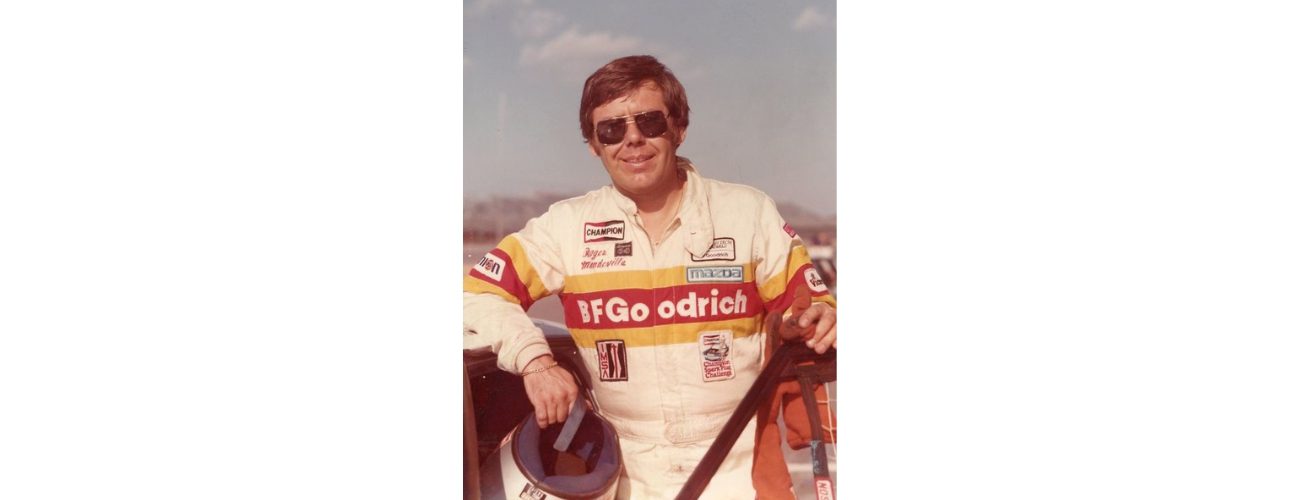
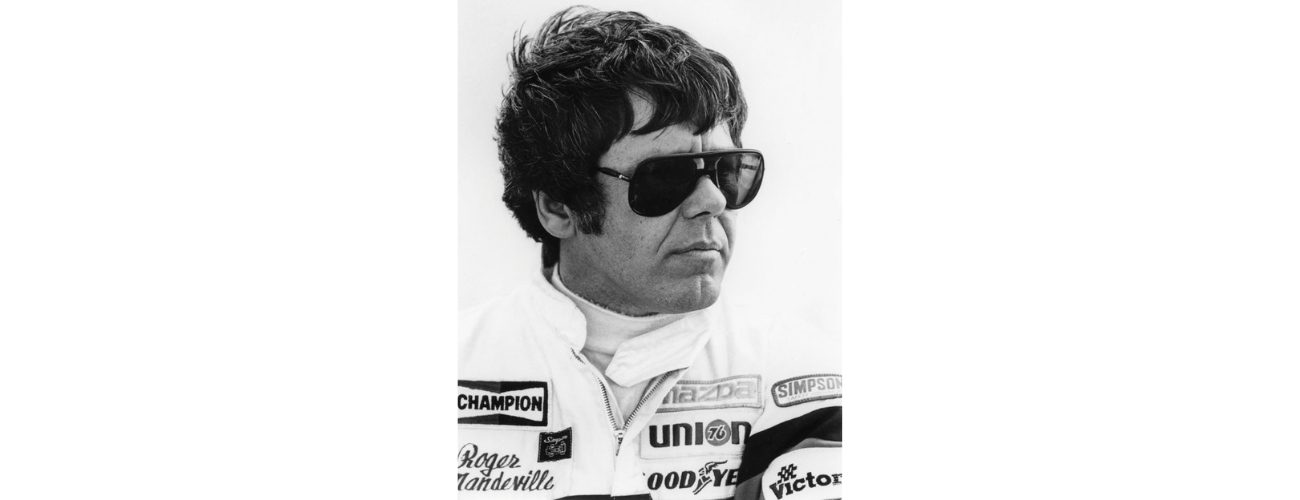
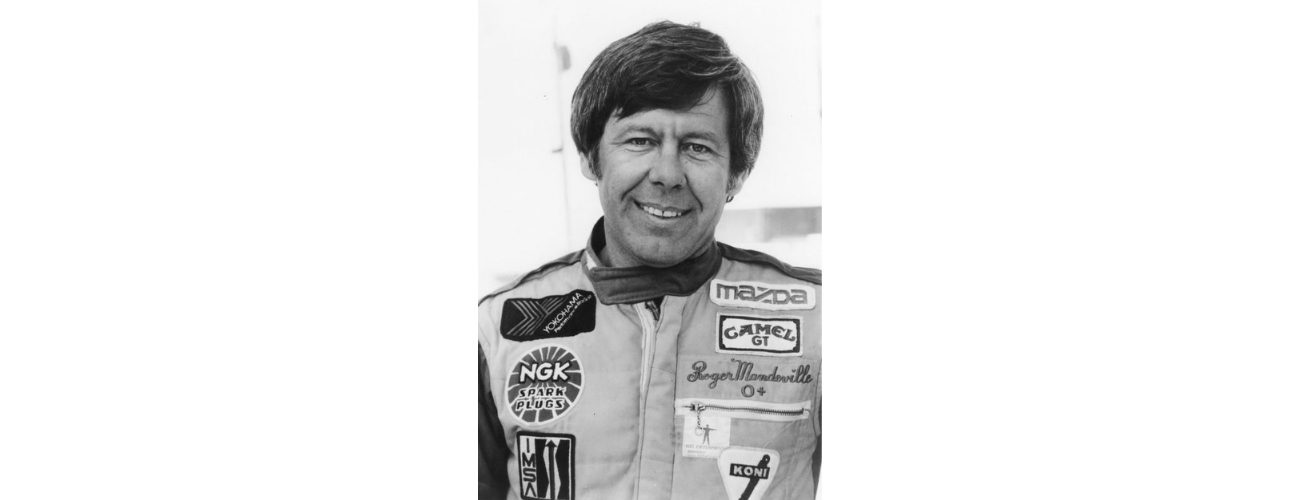
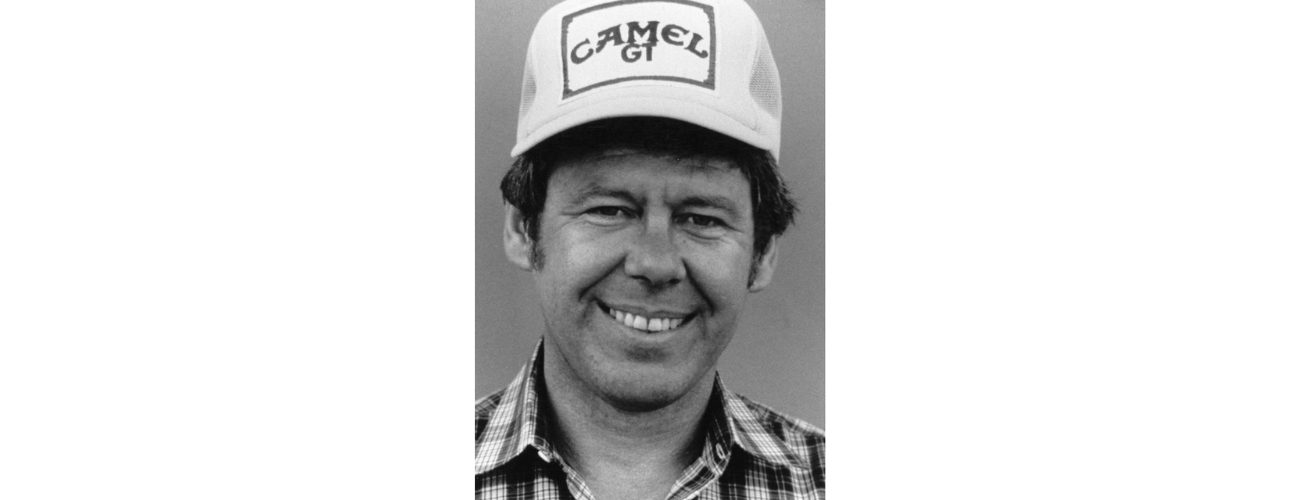
ROGER MANDEVILLE
By H.A. Branham
You gotta love the name.
Roger Mandeville.
It just sounds like a race car driver, dynamic and lyrical -- given emphatic enunciation by a race track announcer.
There sure have been plenty of chances to get it right.
It sort of sounds like a NASCAR name and that’s fine. Mandeville, a 2026 inductee into the IMSA Hall of Fame, is from Spartanburg, South Carolina, home of the late stock car great David Pearson. He and Mandeville were longtime friends. Occasionally they would suit up for a vintage race. This all seems apropos, considering Mandeville’s sports car foundation was IMSA’s more-or-less equivalent -- the production-based RS Series.
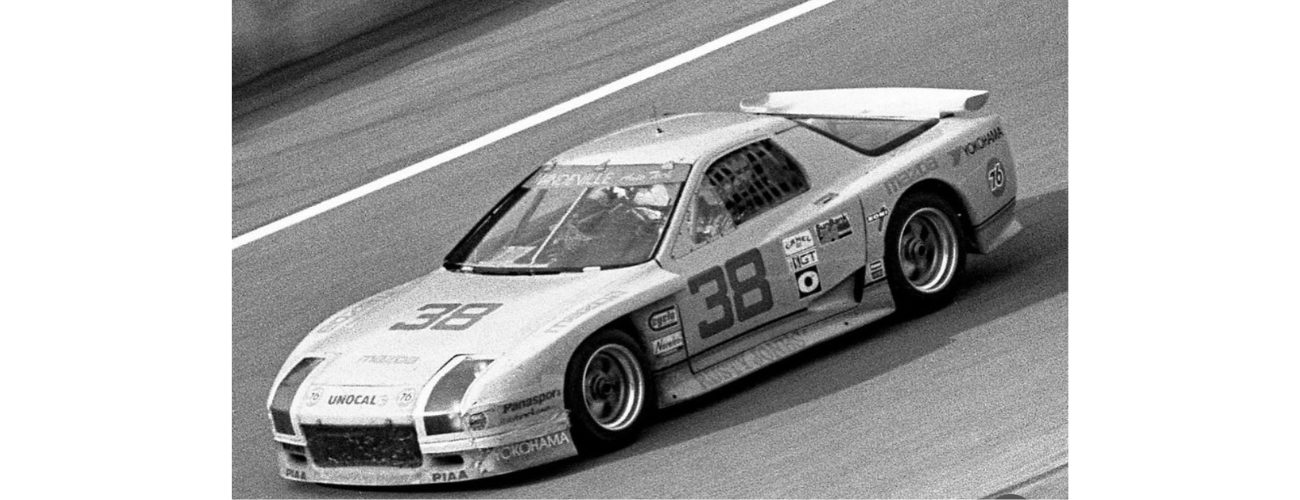
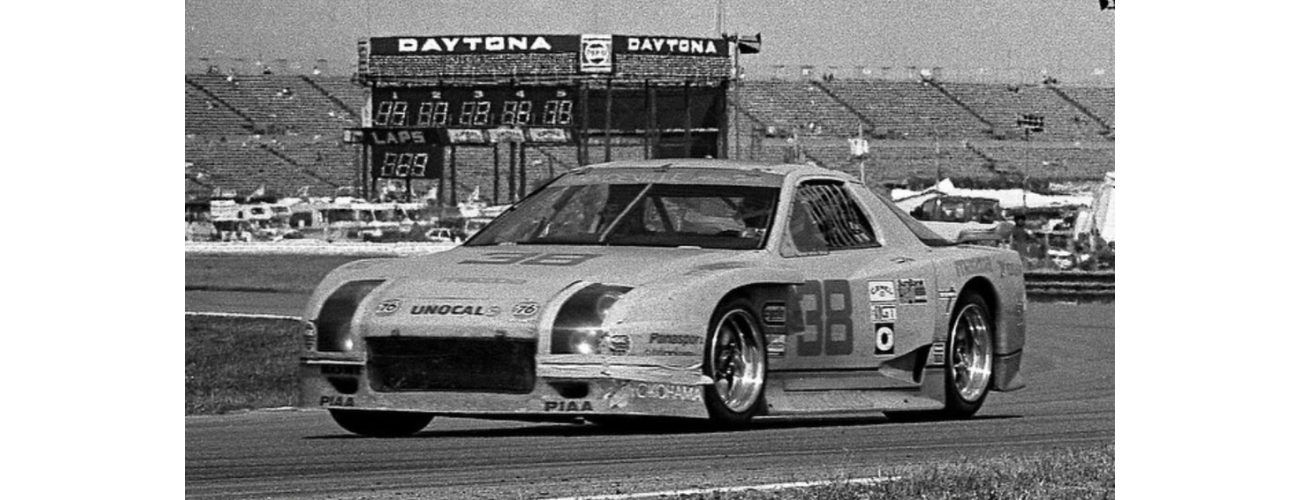
Winning that series championship -- then called the IMSA Champion Spark Plug Challenge -- in 1979 was only a preface; Mandeville moved to IMSA’s top-tier GT Series, the GTU class specifically for cars with engine displacements under 2.5 (and later 3.0) liters. He won that title in 1983, then was champion in GTO (over 2.5) in ’84, both times driving RX-7s.
And that, folks, was one helluva back-to-back effort. In ’83, Mandeville drove solo to a Miami Grand Prix win; he and Amos Johnson later teamed to win four of the last seven events. In ’84, victories at Riverside (shared) and Lime Rock (solo) delivered the crown. Those five years and three championships cemented Mandeville as a rotary-powered Mazda man like no other in IMSA, and one of the premier production-based drivers in American sports car racing history.
“Our results have somewhat exceeded my wildest dreams,” Mandeville said in the summer of ’84, in the season’s stretch run. “Some of our people had a dim view of this season because we were moving up to the more powerful GTO class. They thought it might be a difficult year. Everyone’s excited.”
He then clinched the championship with a top-10 finish at Watkins Glen, with one race still remaining in the season. “Winning the title is what we've been working for all season,” he said. “I'm as happy as I was when I won the GTU title last year. The best part is we won [early] so we don't have to go down to the wire.”
Mandeville racked up a total of 22 IMSA class victories, his first coming in the inaugural IMSA GT event. That was at VIRginia International Raceway -- a classic road course in Danville, Virginia that remains on the IMSA schedule. The “first annual Danville 300” was called the “biggest event in the 14-year history” of VIR. Mandeville raced in IMSA through 2006, winning his class three times at the Mobil 1 Twelve Hours of Sebring.
The GTU/GTO “races within a race,” as the worn road course promo goes, may have been the best-kept secret in motorsports during the entirety of their existence. That benefited IMSA immeasurably, starting with door-to-door racing a good bit rowdier than prototypes, involving cars that fans could recognize and relate to; street cars with severe attitudes.
The classes also personified the come one, come all philosophy of IMSA co-founder John Bishop. He knew for him to build his fledgling race car organization he needed race cars -- and lots of them. Great drivers? A bonus, at that point. There were lots of bonuses, again receiving short-shrift relative to the more-heralded GTP drivers.
Both RS (Radial Series) racing and GTU are remembered for strong car counts. Those counts included many Mazdas -- first the RX-3, also part of the 2026 IMSA HOF class, and then the RX-7 which was in IMSA’s inaugural HOF class in 2023. (Mazda, starting primarily with Mandeville, both dominated and facilitated RS.)
Invariably during the 1970s and ‘80s, if there was a Mazda on a grid, there was a good chance Mandeville was in the vicinity. The Racing Sports Cars database lists Mandeville having entered 212 races in his career, 174 with Mazda.
The Mandeville resume also includes creation/construction of the Hawk World Sports Car Championship (WSC) prototype, -- which utilized both rotary engines and Chevy V-8s. IMSA introduced the WSC in 1994, in the wake of the demise of the legendary GTPs. WSC cars had open cockpits with two seats, with normally aspirated engines. High points for this effort by Mandeville were two top-five finishes -- fourth at Portland in 1994, fifth at Lime Rock in ’95.
Here’s your footnote. That 1971 breakthrough at VIR? It was a co-drive with Amos Johnson, as were 48 other Mandeville races.
They were, for the first and only time, in an Opel.
Photo Gallery




More Galleries
ROGER MANDEVILLE